Called to the court: Jennifer Baines details journey into tennis officiating

For many people, tennis begins with a racquet and a love for the game. For others, that passion grows into something more — an opportunity to support players, protect the integrity of the sport and stay connected to the court in a new way.
One Oklahoma official, Jennifer Baines, discovered tennis officiating offered exactly that: a chance to remain involved in the sport while embracing flexibility, community and lifelong learning. In this Q&A, Baines shares how she entered the world of officiating, what she has learned so far and why the role is so important to the sport.
How did you get involved in officiating tennis, and what drew you to that side of the sport?
I became a tennis player later in life, in my early 30s, and I was hooked right away. From the beginning, I knew I wanted to stay connected to tennis for life. Officiating felt like a great way to better understand the rules and become a stronger player in my adult leagues.
I have always worked part time while being a stay-at-home mom. For about 10 years I worked as a landscape contractor and loved being outside. I knew if I started something new, working outdoors — rather than sitting at a desk — was important to me.
Another thing that drew me to officiating was the flexibility. I can choose when I work, how often and how far I travel. My husband has been a full-time firefighter for 26 years, and on his days off we run a roofing and construction company. I am also a licensed realtor for our real estate ventures.
Officiating gives me the flexibility I need to help with those responsibilities when needed. Now that our two boys are in their 20s, I have more free time and much less ‘mom guilt’ about working weekends, which is when many tournaments take place. It felt like the perfect time to learn something new.
What has been the most rewarding part of being a USTA official so far?
One of the most rewarding parts of working USTA events has been watching junior players work through the mental side of tennis. You see them deal with frustration, fatigue and the challenge of fighting for every point.
It is also rewarding when parents approach me after a match and say I did a good job or that I helped their child learn something. Being on court allows officials to step in immediately when needed, make calls and teach players about the rules and the code.
 USTA Oklahoma's Jennifer Baines said "a great tennis official begins with a love for the game and a passion for helping others." Baines has enjoyed the flexibility, learning and community impact that comes with being an official.
In college tennis with the ITA, I am still adjusting to the fast and intense pace. While I cannot yet say it has been especially rewarding, I have received tremendous support from seasoned officials. They often reassure me they made the same mistakes early on and encourage me to keep learning.
I have also met some incredible officials who are always willing to help before, during and after matches.
What role do officials play in making tournaments run smoothly?
Officials help keep tournaments running on schedule in several ways. We time warmups, monitor changeovers and ensure players maintain the correct pace between points. This helps keep the tournament on schedule, which tournament directors and parents appreciate.
Officials also watch for issues that could delay matches, including unsportsmanlike behavior or disturbances on the court. Simply having officials present around the courts gives players confidence that if an issue arises, someone is there to help.
Players may not always like how we help — especially if they believe they were correct or when we must issue a code violation — but those moments often help them learn more about the game. Officials also work closely with tournament directors by notifying them when courts become available so the next matches can begin as soon as possible.
What qualities make a great tennis official?
A great tennis official begins with a love for the game and a passion for helping others. Humility is also important. Officials must be willing to admit mistakes and seek advice. Self-motivation is critical because officials must continually study the rules and grow in their understanding of the game.
Patience and calmness are essential, especially during chaotic situations. Officials must be able to remain composed while also being firm when necessary. Discretion and awareness also play key roles. Officials must read situations carefully and make the best decision possible with the information available. The ability to make quick, decisive calls is another important skill.
Multitasking is often required. An official might be watching a tiebreak on one court while noticing a player two courts away slam a racquet in frustration, timing a changeover on another court and hearing a parent coaching from the stands. At the same time, a new match might be walking onto a nearby court that needs to be timed once the tiebreak concludes.
Officials must track all of these situations and determine the appropriate moment to address each one.
What advice would you give someone interested in becoming a tennis official?
Do not be afraid to make mistakes. You will never know everything, and even officials who have been doing this for 30 years say they are still learning. One practical piece of advice is to stay focused. The moment you start thinking about your grocery list or to-do list is often when a crucial point happens.
When our boys were young, we always reminded them to have fun. Tennis can be competitive, social or simply a way to stay active through drills. But when the sport stops being enjoyable and begins to feel like a chore, players and others around them can sense it.
Officials should be someone players, tournament directors and parents can look to for positivity and reassurance. Sometimes that means confirming whether a ball was in or out. Other times it means helping a tournament director reassign courts because of weather.
Be a sponge. Attend as many workshops as possible and absorb information from experienced officials. One referee once told me that as you gain experience, you will hear many different opinions about how situations should be handled. Listen to them, filter the advice and stay true to the code and the game.
If possible, continue playing tennis as well. Playing in leagues can help officials better understand the rules and develop a stronger feel for the game.
How do officials contribute to the tennis community beyond making calls?
Officials can support the community in many ways, including volunteering at special needs events or assisting at local facilities. Sometimes simply listening to a parent or player is exactly what someone needed that day.
Officials can also inspire the next generation to get involved. That might be a former player we helped or a parent who decides they want to become an official.
Tennis also teaches important life lessons. The values within the code — fairness, respect and integrity — can carry into everyday life, whether at work, in the community or with family. When those values extend beyond the court, they help strengthen the community as a whole.
What are your goals for officiating in Oklahoma over the next few years?
My first goal is to complete chair school in May and begin applying that knowledge on the court. I want to become an official that players and coaches trust — someone who can make fair decisions but is also willing to make difficult calls when necessary. I also want to continue improving my attention to detail and learning techniques that will help me grow as an official.
Another goal is to always have mentors I can turn to for guidance and, eventually, to mentor new officials and encourage them in their journeys. Long term, one dream would be to officiate at a professional tournament.
Check out more stories from across the USTA Missouri Valley celebrating officials by clicking here.
Related Articles
-
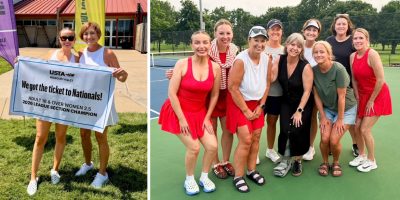
 Beginners to ChampsSeptember 25, 2026Marla Cole never imagined her first steps onto a tennis court would lead to nationals. Now, she's guiding her Oklahoma 2.5 women's team toward its biggest challenge yet. Read More
 -
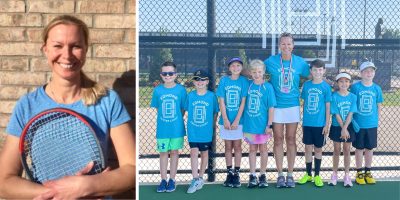
 Moscow to EdmondSeptember 23, 2026Tennis took Marina Robinson from Russia to Oklahoma and ultimately to coaching. Read how the Edmond Center Court teaching pro helps players grow on and off court. Read More
 -
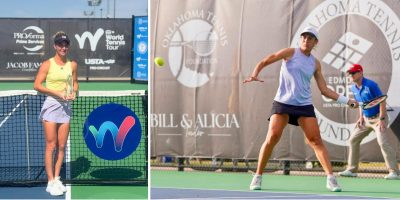
 Pro Women's TennisSeptember 15, 2026From a $15,000 event to a W100, professional tennis has grown rapidly in Edmond. Now, Oklahoma fans can watch some of the sport's brightest stars compete close to home. Read More
Sign up for our Newsletter
Download the USTA App

