Hispanic Heritage Month: How Sebastian Sainz Brings Familia to Texas Tennis

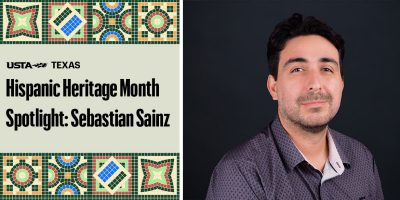
For Sebastian Sainz, Hispanic Heritage Month is more than an annual celebration, it is a daily commitment to representation, community, and honoring the roots that shaped him. Raised in the Rio Grande Valley of South Texas by parents originally from Mexico, Sainz grew up where tennis was deeply woven into the local culture, serving as his primary social outlet and a reflection of his community's shared passion.
Today, as Junior Tournament Coordinator for USTA Texas, Sainz supports the South Territory including the Rio Grande Valley, Corpus Christi, and Laredo. Behind the scenes in sports administration, he leverages cultural representation and the values of familia to ensure young Hispanic athletes and their families feel supported, welcomed, and empowered on and off the court.
Q: What first drew you to tennis, and how did your culture or family background shape your relationship with the sport growing up?
Sebastian Sainz: My family is originally from Mexico but I grew up in the Rio Grande Valley in South Texas, and even though it isn’t known as a big tennis community (at least in the early 2000s), it felt like everyone I knew was playing. Being a border town also plays a role in that. Our Mexican community has always loved tennis, and that passion spills over into everyday life in the Valley.
My parents put me in tennis lessons when I was around seven years old, and I loved it right away because it meant I could hang out with my friends after school.
As an only child, getting to spend extra time with friends was the best part of my day, so tennis quickly became more than just a sport — it was my social world.
My family’s interest in me and in the sport itself made me feel valued. Even though we didn’t come from a traditional tennis background, they showed up, supported me, and made every match feel important.
Q: How did your journey lead you to USTA Texas, and what drove you to focus on the junior tournament side of the sport?
Sainz: My path to USTA Texas was never on my radar. Although I loved tennis, I thought my USTA journey had ended years ago on the court — but that changed when I went to the US Open for the first time.


- Sebastian 1
- Sebastian 2
It felt like being a kid at an amusement park. Afterwards, I found myself fully re‑engaged with the sport, reminded of everything I loved about tennis. I started thinking there must be a way I could volunteer or contribute to the sport in a meaningful way.
Around that same time, my background in academic coordination and program management had given me experience in operations, logistics, and student‑facing work. I’ve always been drawn to roles where I can help people grow and achieve their goals, and when I learned more about how junior tournaments functioned and having participated myself years ago, it felt like the perfect intersection of everything I cared about.
Q: Were there Hispanic or Latino players, coaches, or family members who inspired you when you were younger?
Sainz: Absolutely. While tennis didn’t always have a lot of Hispanic representation on the professional tour when I was growing up, the people who inspired me most were the ones closest to home. My tennis coach, Edmundo Rincón, taught us the values of hard work, humility, and perseverance — qualities that shaped not just how I played, but how I approached challenges in general. His influence made a huge impact on me at a young age.
I also looked up to Spanish‑speaking players like Rafael Nadal and Juan Martín del Potro. Seeing them compete at the highest levels — hearing them speak Spanish in interviews and watching the pride they carried for their cultures — made me feel connected to the sport in a different way. And today, I make sure to tune in to Renata Zarazúa, who represents Mexico.
Q: What does celebrating Hispanic Heritage Month mean to you personally, as someone working behind the scenes in sports?
Sainz: Celebrating Hispanic Heritage Month means honoring the values, people, and experiences that shaped me. Working behind the scenes in sports, it’s a reminder that representation isn’t only about the athletes on court — it’s also about the volunteers, coordinators, and leaders who help create the environment young players grow up in. For me, it’s a chance to highlight the impact Hispanic professionals have on the sport, even if our work isn’t always front‑facing.
It also gives me space to reflect on my own journey. I come from a community where familia, resilience, and pride in our roots guide everything we do. Bringing those values into my work at USTA Texas feels meaningful, because I know how important it is for families to see people who understand their culture and experiences helping shape the pathway their kids are navigating.
It especially feels meaningful because I support our South Territory in Junior Competition, which includes the Rio Grande Valley, Corpus Christi, and Laredo — communities with deep Hispanic roots and strong cultural pride. Being able to serve these areas feels like giving back to the places and people who shaped my own connection to tennis.
Q: Why is it important for young Hispanic players and families to see Hispanic leaders, coordinators, and officials at USTA Texas events?
Sainz: Representation absolutely matters. It’s helpful for young Hispanic players and families to see how others who share their culture, language, and background were able to find their place in the sport. When they see Hispanic leaders, it creates a sense of trust and familiarity — it shows them that tennis is a space where they belong, not just as participants but as future leaders.
For many families, especially in Hispanic communities, navigating junior tennis can feel overwhelming at first. Seeing someone who understands their cultural values, communicates in a way that feels comfortable, and reflects their community makes the experience more welcoming. It helps families feel confident asking questions, advocating for their kids, and engaging fully in the sport.
Q: Concepts like familia and community are central to Hispanic culture. How do those values influence the way you approach your work with young athletes and their families?
Sainz: They’ve been influential in every way. The way I see myself contributing to USTA Texas is by treating everyone as family. Familia and community shape how I show up in this role — with empathy, patience, and a genuine desire to support the people around me. We all love tennis, we’re all wanting to grow the game, and make the most of the opportunities the sport brings, so I try to build an environment where families feel welcomed, understood, and supported.
Related Articles
-
 2026 Mixed 55+ SectionalsOctober 13, 2026Teams competed in Abilene for the title of Mixed 55 and Over League Champions. Sectionals took place October 9-11, 2026. Read More
 -
 HHM: Sebastian SainzOctober 13, 2026For Sebastian Sainz, Hispanic Heritage Month is more than an annual celebration, it is a daily commitment to representation, community, and honoring the roots that shaped him. Read More
 -
 Wheelchair 50: TexasOctober 09, 2026Celebrating 50 years of wheelchair tennis, USTA Texas is expanding access, building school programs, and driving inclusive opportunities across the state. Discover how Texas is shaping the future of adapted tennis. Read More


Sign up for our Newsletter
Download the USTA App

