Your Best Game Awaits: Simple Science-Backed Reasons to Play Tennis
Whether you are stepping onto the court for the very first time or returning to the game after a long break, tennis is the ultimate lifelong sport. It blends full-body fitness, social connection and mental sharpness into an engaging game you can play at any age or skill level.
Grounded in research from the USTA National Sport Science Committee, this playbook offers simple tips, science-backed benefits, and motivation to help you stay active, feel great, and enjoy every moment on the court.
Why Play? Your Health & Vitality

Boost Cardiovascular Endurance & Lifespan: Regular gameplay delivers a powerful full-body workout that strengthens your heart, builds muscle tone and significantly extends life expectancy—studies show racquet sports rank highest in adding active, healthy years to your life.
Sharpen Mental Focus & Lift Mood: The fast-paced decisions on court challenge your brain, promoting cognitive vitality, relieving daily stress, and boosting mood and mental resilience.
Make it a Habit: Simple Ways to Stay Active
Aim for Consistency: Target around 150 minutes of moderate activity or 75 minutes of vigorous tennis per week to maximize physical and mental health rewards.
Start at Your Own Pace: Start with manageable sessions and progressively increase intensity. Sustainable routine trumps occasional intense efforts every time.
Cross-Train for Longevity: Combine court time with simple strength, flexibility and mobility exercises to stay agile, strong and injury-free for years to come.
Share the Court: Connecting Through Tennis
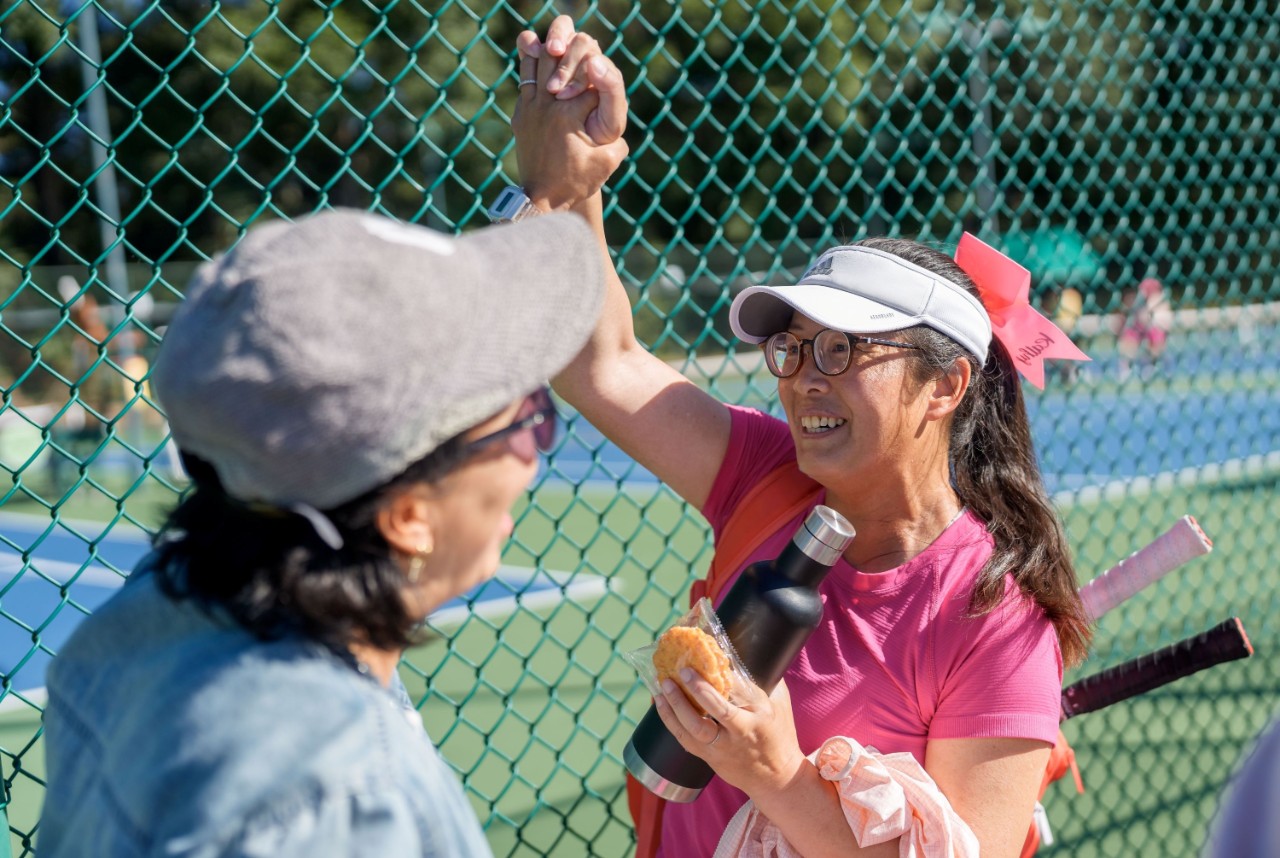
- Forge Lasting Connections: Tennis is inherently social. Joining local clinics, social leagues, or playing doubles can provide a strong sense of community and lasting friendships.
- Thrive Through Shared Goals: Engaging with fellow players builds social wellness, shared achievement and long-term motivation to keep coming back to the game.

References
Colvin A, Tishelman J, Bu D, Gladstone J. Improved general health outcomes in US recreational tennis players. Jour Med Sci Tennis. 2020; 7:22-30.
Kovacs M, Pluim B, Groppel J, et al. Health, Wellness and Cognitive Performance Benefits of Tennis. Jour Med Sci Tennis. 2016; 12:14-21.
Schnor P, O'Keefe JH, Holterman, et. al. Various Leisure- Time Physical Activities Associated with Widely Divergent Life Expectancies: The Copenhagen City Heart Study. Mayo Clin Proc. 2018; 12:1775-1785.
Eather N, Wade L, Pankowiak A, Eime R. The impact of sports participation on mental and social outcomes in adults: A systematic review and the "Mental Health through Sport" conceptual model. Syst Rev. 2023; 12(10) 102.doi:10.1186/s 136643-23-02264-8.
Elmose-Østerlund K, et al. Motives for leisure time physical activity participation: An analysis of their prevalence, consistency and associations. BMC Public Health. 2023.2399.doi.org/10.1186/s12889-023-17382-y.
Buszard T, Reid M, Masters RS, et al. Scaling the equipment and play area in children’s sport to improve motor skills acquisition: A systematic review. 2016; 46(6): 829-843.
Jayanthi N, Robbins P, Felix I. Healthy Adult Tennis Participation. USTA. 2024.
Related Articles
-
") Play for Your HealthNovember 12, 2026Discover the science-backed health, mental, and social benefits of playing tennis. Explore simple tips from the USTA to stay active and thrive at any age. Read More
-
![Visit the Health Benefits of Tennis page]() Health Benefits of TennisJuly 17, 2026Tennis provides many benefits to physical, social and mental health. Discover the benefits of playing tennis from the USTA and develop your skills today! Read More
-
 Nurture a child in tennisOctober 28, 2022Tennis can provide opportunities for children to make lifelong friends, and their passion and motivation for the sport can be nurtured by creating a sense of fun. Read More



Sign up for our Newsletter
Download the USTA App

